

Guest Writer – Gary Toh
I’ll make a confession: I have a complicated relationship with shoelaces. I can tie them perfectly well, but it is the bending down that gets to me. I am probably not alone in this predicament.
At 65, folding myself in half at the front door to wrestle with a double knot is not my favorite way to start a walk. And there’s almost never anywhere to sit. Not by the door, not in most shops, and certainly not when I’m travelling.
So I’m a slip-on man. I’m retired, I walk at least five times a week, and most of those walks begin with me simply stepping into my shoes and heading out.
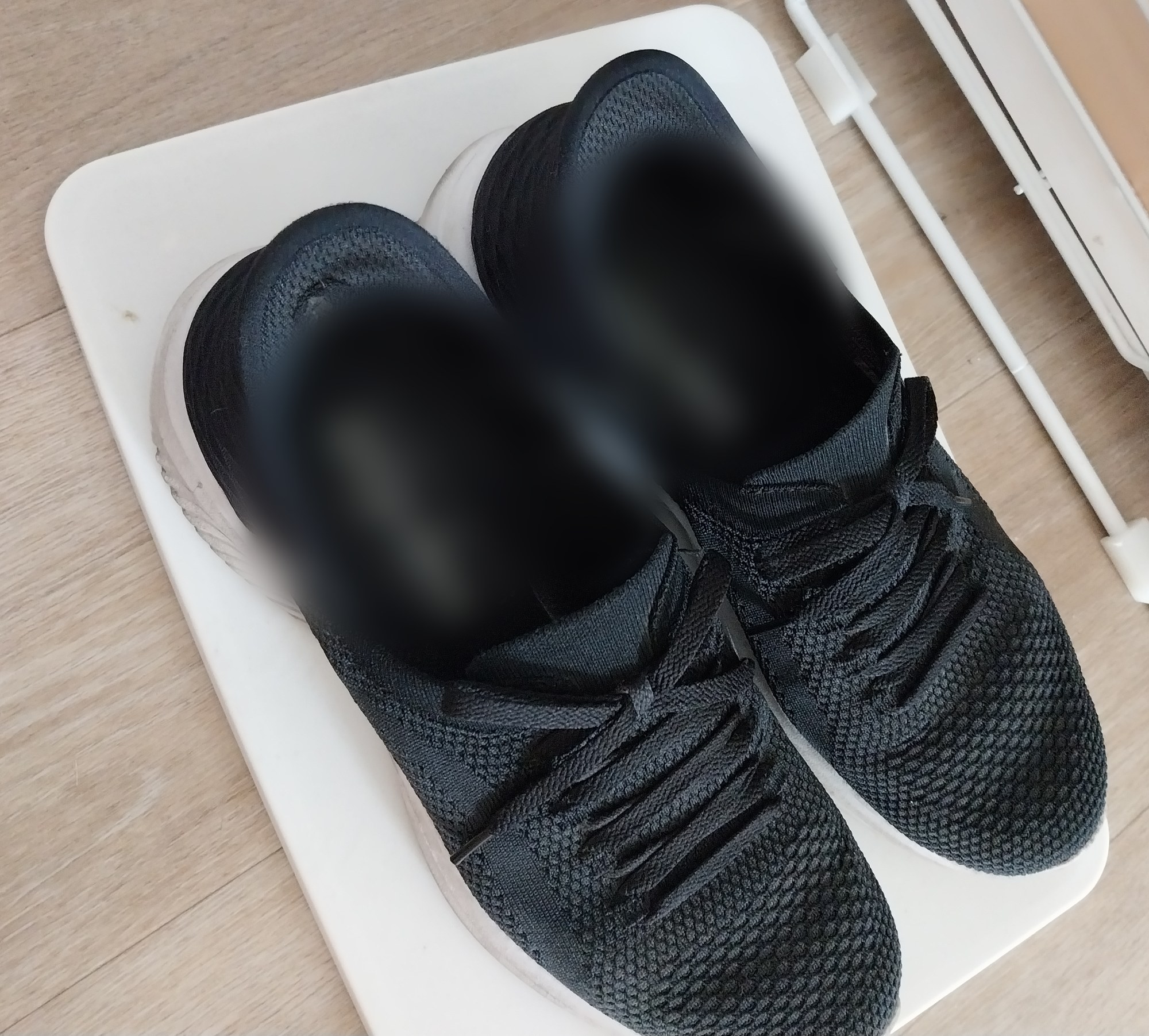
Here’s how I usually put on my shoes:
1. Hold on to the gate or door or any sturdy structure with one hand.
2. Put down the shoes on the floor in front of me.
3. Slip on with right foot (usually; it depends on my position).
4. Slip on with left foot.
5. And I am off.
Some slip-ons earn their place by the door; others only look easy in the advert.
A quick note before we start.
I run Shoes 50+, a free shoe guide for adults over 50. We don’t sell shoes or anything else, and there are no affiliate links in this post. I’m also not a foot doctor. If you have foot pain or balance concerns, please talk to a healthcare professional before you change your shoes or your walking routine.
So what separates a good slip-on from a bad one? Here’s what I look for.
Slip-on and Hands-free are not Quite the Same Thing
A classic slip-on has elastic sides or a soft collar. It’s easier than laces, but you often still need a finger or a shoehorn to coax your heel in, which means bending down again. A hands-free (sometimes called “slip-in”) shoe is designed so you can step in while standing up. The back is built to give a little as your heel goes in, then spring back into shape.
Several brands now make hands-free styles, and the labels vary a lot. My advice is to judge the shoe by how it behaves on your foot, not by the name on the box. Our guide to hands-free slip-on walking shoes explains the labels in more detail.
What Actually Matters: My Six Checks
1. A heel that holds its shape. Press on both sides of the heel. It should feel firm, not fold like a paper cup. The American Podiatric Medical Association (APMA) includes this squeeze in its simple 1-2-3 shoe test for older people. For hands-free shoes, add one more check: after you step in, does the back pop up again? If the heel gets squashed flat after a week, the shoe has quietly turned into a slipper. Slippers are lovely, but they belong on the sofa.
2. Entry that really is hands-free. Test it the way you’ll use it: standing up, no bending down, no shoehorn. Holding a door, gate or wall with one hand to steady yourself is fine, and sensible. If you have to reach down to tug at the heel, the shoe isn’t solving the problem you bought it for. Try another.
3. A secure fit. Easy on should never mean easy off. Walk on a hard floor. Your heel shouldn’t lift on every step, and your toes shouldn’t slide forward on a slope. About a thumb’s width past your longest toe is a common rule of thumb (pun fully intended). If your heel slips, try a different size, width or model rather than living with it.

4. A grippy outsole. You want rubber with a proper tread, not a smooth, shiny sole. Smooth soles and wet tiles can turn a trip to the supermarket into an unplanned dance routine. I’ve worn my slip-on walking shoes on stone steps and paved squares in Türkiye’s Cappadocia region, a reminder that a slip-on still has to be a proper walking shoe once it’s on. You don’t want to slip and fall. My shoes felt safe when I had my vacation there. For folks my age, safety is of the utmost importance.
5. Cushioning that supports, not swallows. Soft is nice. Mushy is not. If the shoe wobbles when you turn a corner or step off a curb, it’s too squishy.
6. Width options. Too narrow pinches all day; too wide lets your foot swim about. The APMA notes foot size can change with age, so don’t assume you’re the same size you were ten years ago.
How to Try Them On
- Shop late in the day, when feet are fullest.
- Bring your walking socks.
- Measure both feet and fit the larger one.
- Do the standing test: no sitting, no bending, no reaching for the heel.
- Walk on a hard floor, and find a slope or step if you can.
- Check the fit with every new pair, even the same model and size.
- Don’t count on breaking them in.
- Know the returns policy so you can test them at home.
When a Slip-on Isn’t the Right Choice
If your heel won’t stay put, your feet swell during the day, or you’re planning long hilly walks, a strap (Velcro) or no-tie laces may suit you better. Plenty of people keep a hands-free pair for errands and a strap or lace-up pair for longer outings. Not sure which type suits you? Our free Shoe Type Finder is a short quiz that points you towards shoe types. It’s a preference guide, not a diagnosis.
Shopping for a Parent?
These days, kids do lots of shopping for their aging parents, so we created a useful guide and printout to help them out. The facts are that the same checks apply; just make sure they do the standing test themselves. Our printable guide to buying walking shoes for a parent over 50 has a fit card and a try-at-home checklist.
Out the door
I’ve also walked around Nara Park in Japan in my slip-ons, a good place to be glad you’re not stopping to fiddle with laces. Caution: the Nara deer is a wild animal and can get nasty, and you want to be prepared to walk away fast or run! A good pair of shoes surely helps.
The best hands-free shoe isn’t the one with the cleverest advert. It’s the one that slides on while you’re standing at the door, holds your heel on every step, grips the ground, and still feels good at the end of a long walk. Find that pair, check it again when you buy the next one, and get out there.
—
About the author
 Gary Toh is retired, 65, and walks at least five times a week, usually in slip-ons because bending down to tie laces is no fun. He runs Shoes 50+, a free shoe guide with simple fit tools for adults over 50. It sells nothing. He has worn his slip-on walking shoes on stone steps in Türkiye’s Cappadocia region and around Nara Park, Japan.
Email: turnbackclock@mail.grokbot.com
Website: https://shoes.turnbackclock.com/
—
Photo credits:
-Title Shoes in Leaves Photo by Riss Design on Unsplash
-photo3-broken-in-slip-ons.jpg: my own slip-on walking shoes (Photo courtesy of Gary Toh).
-cappadocia-royalty-free.jpg: a cobbled path among the fairy chimneys in Cappadocia, Turkiye. Public domain (CC0) photo by Cobija on Wikimedia Commons: https://commons.wikimedia.org/wiki/File:Pa%C5%9Faba%C4%9F_Vadisi_(1).JPG

Share This: 


